October 2026 · Experience Strategy
The first ninety
seconds decide
the evening.
Guests form a view of an event before anyone has spoken to them. Almost nothing in a standard run sheet accounts for it.
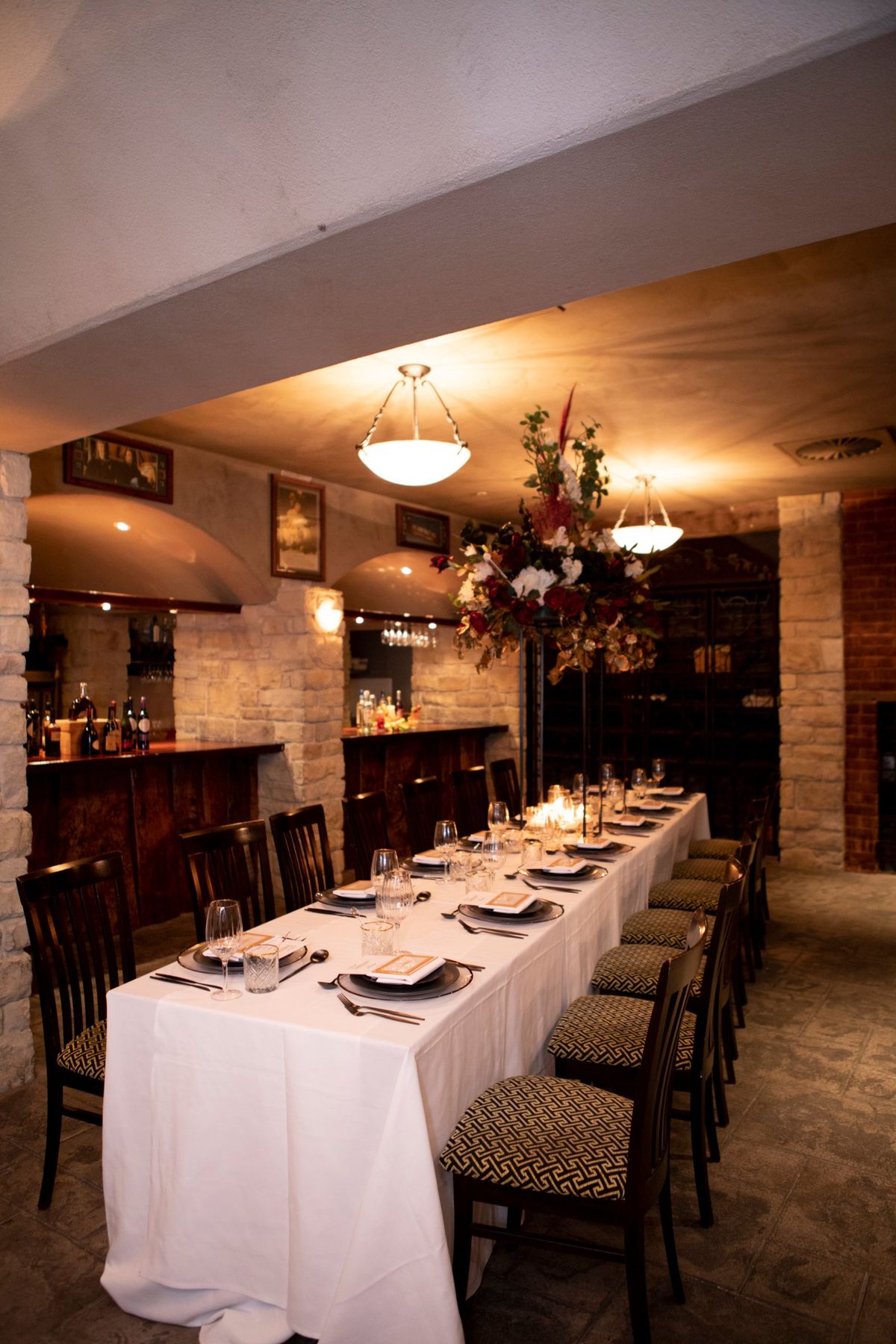
A guest decides how they feel about an event before anyone has said a word to them. They have walked from a car park or a lift, found a door, worked out whether they are in the right place, and discovered whether anyone was expecting them. By the time somebody says good evening, the verdict is largely in.
Almost nothing in a standard run sheet covers that stretch. The sheet starts at the official arrival time and moves to the speeches. The ninety seconds before it begins are left to whoever happens to be near the door.
It is worth being specific about what a guest is actually resolving in that time. Am I in the right place. Am I dressed correctly. Is anyone going to talk to me. Where do I put this. What do I do with my hands. None of these are logistical questions and all of them are answered by the environment rather than by the program.
The ones that go wrong tend to go wrong the same way. A room lit for a photographer rather than for a person, so everyone stands at the edges. Music loud enough that the first exchange has to be shouted, which means nobody risks a second one. A welcome table that creates a queue, so the first shared experience of the evening is waiting. Arriving guests with a drink in one hand, a bag in the other and nowhere to put either.
None of that is expensive to fix. It is just rarely anyone's job, because it falls between the venue's responsibility and the host's.
This is the part of the work we are usually engaged for, and it is the reason the first conversation is about the outcome rather than the venue. A guest who settles in the first minute will stay later, speak more openly and remember the evening differently — and a guest who spends that minute working out where to stand will carry it through everything that follows, however good the food is.
What a guest is actually resolving
It is worth being specific about the questions a person is working through in that first minute, because none of them are answered by the program.
- Am I in the right place, and is this the right door
- Am I dressed correctly for this
- Was anyone expecting me
- Is somebody going to talk to me, or do I have to start
- Where do I put my coat, my bag and this drink
A guest who resolves all five quickly relaxes and becomes available to the evening. A guest still working on two of them at the half-hour mark is managing themselves rather than meeting anyone.
The four that go wrong most often
Lighting set for the photographer. A room lit evenly and brightly pushes people to the edges. Warm and low at arrival does the opposite, and it can be lifted later once the room has settled.
Music set too loud. If the first exchange has to be shouted, most people will not risk a second one. Volume at arrival is the single biggest determinant of whether a room reads as warm or hostile.
A welcome table that creates a queue. The first shared experience of the evening becomes waiting, in a corridor, holding a coat.
Nowhere to put anything. A guest with a drink in one hand and a bag in the other cannot shake hands, cannot eat, and will find a wall to stand against.
Why it is nobody's job
This stretch falls between the venue's responsibility and the host's. The venue is accountable for the room and the service. The host is accountable for the program. The ninety seconds between the car park and the first conversation belong to neither, which is why they are so often left to whoever happens to be standing near the door.
None of it is expensive to fix. Most of it costs nothing at all. It simply has to be somebody's decision rather than an accident.
GD Events Group is a Sydney practice for the design of strategic experiences. About the practice.
Begin a conversation
Every engagement
starts with a conversation.
Tell us what the occasion is for, who will be there and what has to be true by the end of it. We will tell you honestly whether we are the right practice for it.
Request an introduction