Corporate Experiences
A date, a venue,
and a number of people.
That is the brief we are usually handed. It is almost never the actual job.
What the brief leaves out
Behind the occasion
there is always something else.
A relationship that needs to deepen. A decision that has to feel safe to make. A team that needs to believe the year ahead is worth staying for. None of that is a logistics problem, and none of it is solved by a better run sheet.
Most event companies are engaged to manage the logistics, and that work is real — we do it, and we do it properly. But the decisions that determine whether an evening actually works are made weeks before anyone walks through a door, and by the time a venue is booked most of them have already been made by default.
So the first conversation is rarely about the room. It is about what has to be true by the end of the night, and who has to feel what in order for that to happen. Everything else is built backwards from the answer.
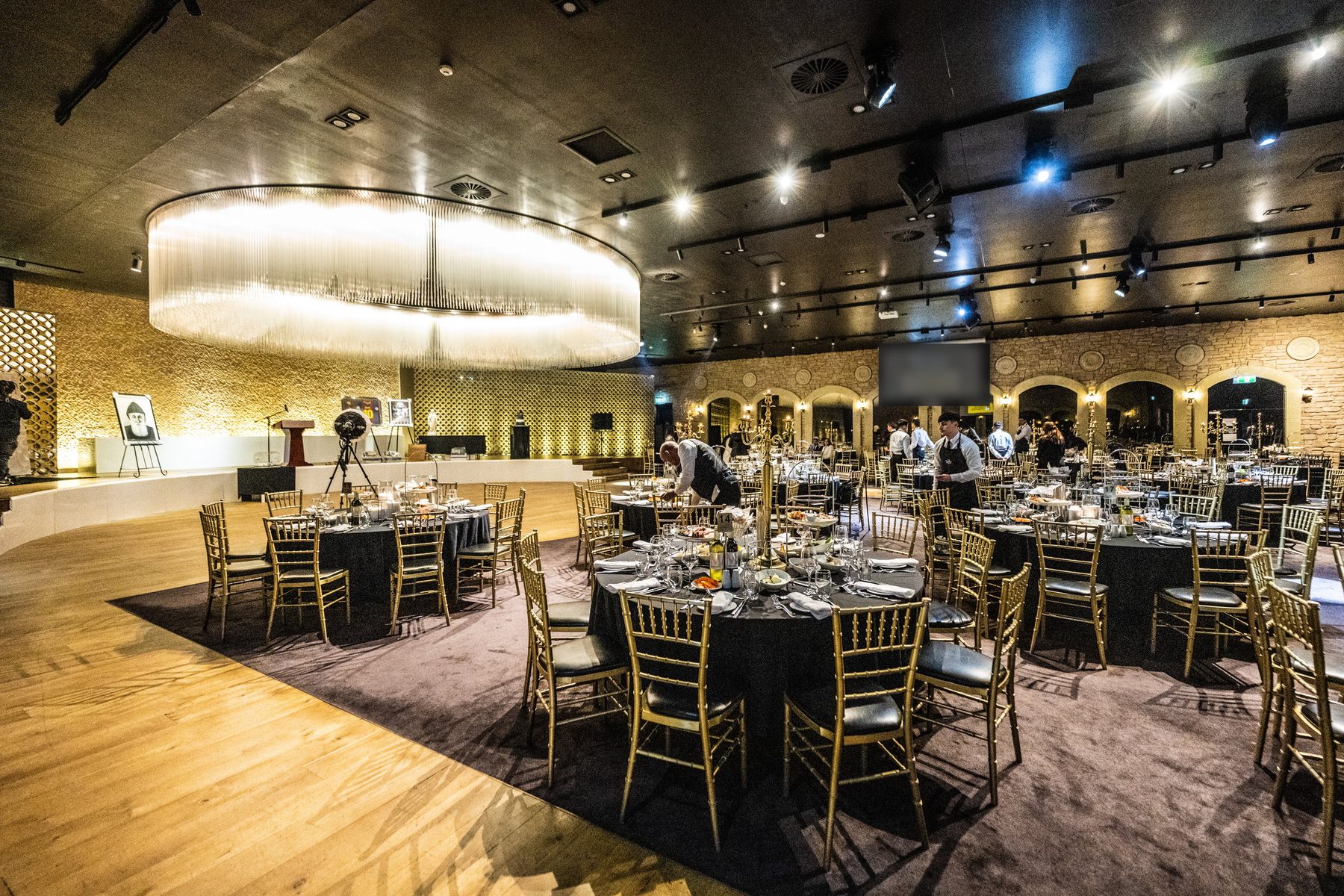
At any scale
From a hosted dinner for twelve to a gala for several hundred, held to one standard.
What we do
Four kinds of
corporate work.
Conferences and summits
Multi-session programs where the agenda, the room and the breaks are designed together, because the conversations between sessions are usually the reason people came.
Hosted dinners and client events
Smaller rooms with more at stake. The guest list, the seating and the sequence of the evening decided before the menu, because those are what determine who speaks to whom.
Activations and launches
Brand experiences, product launches, marketing activations and media moments, designed so that what people felt in the space is what they repeat afterwards.
Internal and team experiences
Annual functions, awards nights and the internal moments that quietly shape how a team feels about where it works. Often the most underestimated work on a calendar.
What we will say first
Before a date
is held.
If the budget will not carry the brief, or the date will not work, we will tell you at the start, and we would far rather explain that then than have you notice it later. Sometimes the honest answer is a smaller room and a shorter night.
The person who designs the experience delivers it. We do not write a strategy and hand it to a supplier, so nothing is lost in a handover, because there isn't one.
Who this suits
Organisations where
the room has a job to do.
Marketing and communications leads carrying a calendar of client events. Firms whose referral relationships are the business. Organisations bringing people together around a result, a launch or a year that has to be understood properly.
Where corporate work sits inside a wider calendar held across the year, that is described on The Year.
Begin a conversation
Every engagement
starts with a conversation.
Tell us what the occasion is for, who will be there and what has to be true by the end of it. We will tell you honestly whether we are the right practice for it.
Request an introduction